Home >

Certified Crash-Tested Dog Seat Belts

Certified Crash-Tested Dog Seat Belts

Where to Buy Certified Crash-Tested Dog Seat Belts: Trusted Retailers and Online Stores
Liam Cartwright | 2025-12-29

Have you ever thought about how a simple dog seat belt can significantly impact your furry friend's safety during car rides? Understanding the importance of crash-tested restraint systems is essential for all pet owners who prioritize their pet's well-being.

What You Will Learn

  • Certified dog seat belts minimize injury risks during sudden stops or collisions.
  • Key certification standards include FMVSS 213, ECE R-17, and CPS Certification.
  • Investing in a durable, high-quality seat belt can save money on replacements.
  • Larger breeds may require specialized harnesses or seat belts for proper restraint.

Key Safety Standards for Dog Seat Belts

Ensuring your dog's safety in the car means looking for certified crash-tested seat belts. The standards below highlight the rigorous testing these products undergo to protect your pet.

FMVSS 213

Federal Motor Vehicle Safety Standards for child restraints, adapted for pet safety.

US Standard

ECE R-17

European safety standard evaluating restraint systems for vehicles, including pets.

European Standard

CPS Certification

Center for Pet Safety's independent crash testing for harnesses and seat belts.

Independent Testing

Material Quality

Durable, tear-resistant materials are essential for crash-tested dog seat belts.

Key Feature

Understanding Crash-Tested Dog Seat Belts and Their Importance

Have you ever wondered why it’s crucial to invest in a crash-tested dog seat belt? As a passionate pet advocate, I can tell you that ensuring your furry friend’s safety during car rides is just as important as protecting yourself. It’s not just about comfort; it’s about keeping them secure in the event of an accident. Let’s dive into what makes these restraints essential for every pet owner!

A certified dog seat belt is specifically designed to protect your dog in a moving vehicle, minimizing the risk of injury during sudden stops or collisions. These systems go through rigorous testing to ensure their reliability and effectiveness. A proper restraint system can help prevent your pup from being thrown around, which can lead to severe injuries—not just for them, but for you as well!

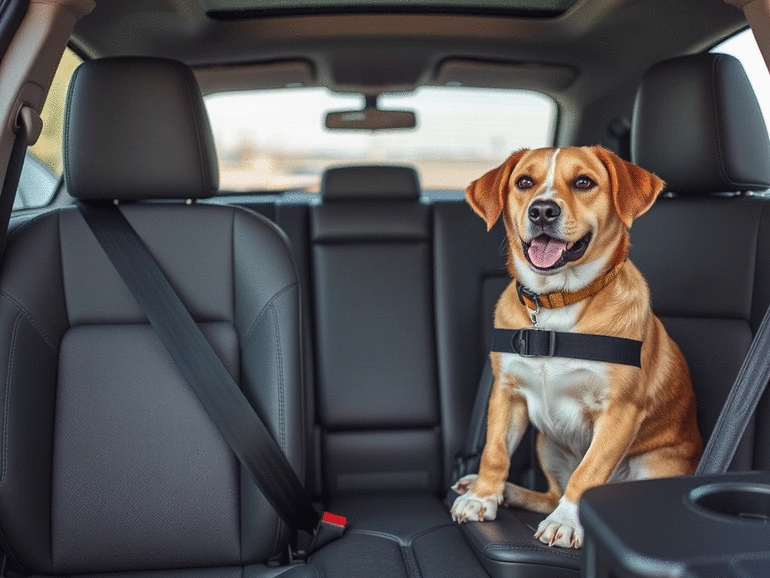
Dog wearing a crash-tested seat belt in a car, looking comfortable and secure

What Makes a Dog Seat Belt Certified and Crash-Tested?

When we talk about dog seat belts being certified and crash-tested, we refer to the stringent testing processes these products undergo. Here’s what you should look for:

  • Material Quality: Look for durable, tear-resistant materials that can withstand stress during a collision.
  • Design Features: A well-designed seat belt ensures that your dog is securely fastened without compromising their comfort.
  • Certification: Only choose products that have been certified by recognized safety standards.

Understanding these factors can help you choose a seat belt that provides the best protection for your beloved companion. After all, peace of mind during every journey is priceless!

Key Safety Standards: FMVSS 213, ECE R-17, and CPS Certification

To ensure that your dog seat belt is trustworthy, it’s essential to know about the key safety standards. Here are three critical certifications you should be aware of:

  • FMVSS 213: This standard, set by the Federal Motor Vehicle Safety Standards, ensures that child restraint systems offer adequate protection during crashes. While primarily for children, its principles are often adapted for pet safety, highlighting the importance of robust restraint.
  • ECE R-17: This European safety standard evaluates the effectiveness of restraint systems in various vehicles, including those for pets. Adherence to this standard indicates a product's compliance with strict European safety regulations.
  • CPS Certification: The Center for Pet Safety (CPS) conducts independent crash testing on harnesses and seat belts, providing valuable insights into their real-world performance. Products that pass CPS testing are often considered among the safest options available for pet travel.

Each of these certifications reflects a commitment to safety and performance. As a responsible pet owner, familiarizing yourself with these standards helps you make informed decisions for your dog's well-being during travel! Additionally, research published in the American Journal of Epidemiology underscores the general importance of safety restraints in vehicles, a principle that extends to our pets.

Pro Tip

When selecting a dog seat belt, always look for user reviews and crash test ratings. Engaging with fellow pet owners through forums can provide insights into real-world performance and durability, ensuring you choose the best option for your furry friend.

Making an Informed Purchase Decision

When it comes to investing in dog seat belts, making an informed decision can feel overwhelming. However, understanding the value and costs involved can simplify the process! In my experience at Dog Seat Belts, I’ve seen firsthand how a reliable restraint system can not only enhance your dog’s safety but also provide peace of mind during car rides.

For many pet owners, the question arises: is a certified dog seat belt worth the investment? The answer often depends on several factors, including the safety features, durability, and potential for long-term use. Let's explore the cost-benefit analysis to help you make the best choice for your furry friend.

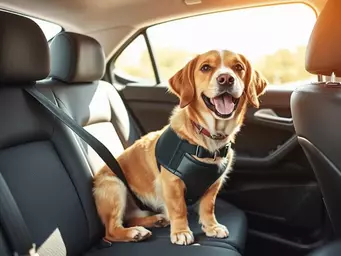
Happy dog safely secured in a car with a high-quality seat belt, peaceful expression

Cost-Benefit Analysis: Is a Certified Dog Seat Belt Worth the Investment?

  • Safety First: Certified dog seat belts undergo rigorous testing and meet safety standards, ensuring maximum protection for your pet.
  • Durability: Investing in a high-quality seat belt means fewer replacements over time, which can save you money in the long run.
  • Peace of Mind: Knowing your dog is safely restrained can significantly reduce anxiety during travel, making the experience enjoyable for both of you.

By weighing these factors, you can better determine if a certified dog seat belt aligns with your budget and your pet's needs. Remember, it's about more than just a product—it's about your dog's safety and your shared adventures on the road!

Alternatives for Larger Breeds Over 105 lbs

Now, if you have a larger breed dog, specifically those weighing over 105 lbs, finding the right restraint can be challenging. Traditional dog seat belts may not always accommodate their size and strength. That’s why it’s essential to consider alternatives that ensure their safety while traveling.

Two popular options are harnesses and specialized seat belts designed for larger dogs. Let’s break down these choices:

Evaluating Options: Harnesses vs. Seat Belts for Bigger Dogs

  • Harnesses: These provide a snug fit and distribute pressure evenly across your dog’s body, making them a safe choice for larger breeds. They often come with a handle, which can be handy for assisting your dog in and out of the vehicle!
  • Specialized Seat Belts: Specifically designed for large dogs, these seat belts offer added strength and durability, ensuring they can withstand the force of sudden stops.
  • Combination Systems: Some products combine a harness and seat belt for maximum safety and versatility, allowing you to use them both during travel and for daily walks.

Ultimately, the choice between harnesses and seat belts will depend on your dog's unique needs and your preferences as a pet owner. By investing in the right system, you can enjoy worry-free travels with your beloved companion!

Frequently Asked Questions (FAQs)

Q: Why is a crash-tested dog seat belt important?
A: A crash-tested dog seat belt is crucial for minimizing the risk of injury to your pet during sudden stops or collisions, ensuring their safety in a moving vehicle.
Q: What are the key safety standards for dog seat belts?
A: Key safety standards include FMVSS 213 (Federal Motor Vehicle Safety Standards, adapted for pets), ECE R-17 (European safety standard), and CPS Certification (independent crash testing by the Center for Pet Safety).
Q: What factors should I consider when choosing a certified dog seat belt?
A: Look for durable, tear-resistant material quality, effective design features for secure fastening and comfort, and certification by recognized safety standards.
Q: Is a certified dog seat belt worth the investment?
A: Yes, certified dog seat belts are worth the investment due to enhanced safety, greater durability which leads to fewer replacements, and the peace of mind they provide during travel.
Q: What are the best restraint alternatives for large dog breeds over 105 lbs?
A: For larger breeds, consider specialized harnesses that distribute pressure evenly, or specialized seat belts designed for their size and strength. Combination systems offering both harness and seat belt features are also a good option.

Recap of Key Points

Here is a quick recap of the important points discussed in the article:
  • Investing in a crash-tested dog seat belt is essential for your dog's safety during car rides.
  • Choose certified dog seat belts that meet safety standards, focusing on material quality, design features, and recognized certifications.
  • Familiarize yourself with key safety standards such as FMVSS 213, ECE R-17, and CPS Certification to ensure product reliability.
  • A cost-benefit analysis can help determine if a certified dog seat belt is worth the investment, considering safety, durability, and peace of mind.
  • For larger breeds over 105 lbs, consider harnesses or specialized seat belts designed for their size and strength to ensure safety.
Subscribe & Share

About Dog Seat Belts

Dedicated to enhancing pet safety during car travel, we provide comprehensive reviews, installation guides, and essential tips for responsible pet owners. Join us in making every journey safe and enjoyable for your furry friend.