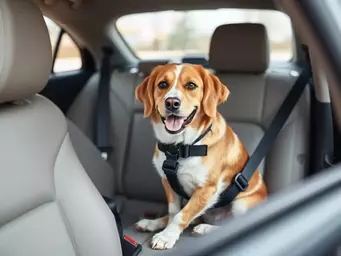
Frayed Stitching & Worn Material
Visible deterioration compromises structural integrity.
Visual Check


Have you ever considered how a simple car ride could turn into a dangerous situation for your furry friend? Understanding the indicators of when to replace your dog's car restraint system isn't just smart; it's essential for their safety on the road.
Regular inspection of your dog's car restraint system is crucial for their safety. The diagram below highlights critical indicators that it's time for a replacement.
Visible deterioration compromises structural integrity.
Bent clips, broken buckles, or faulty adjustable parts.
Unseen damage can occur even if appears intact.
Snug and comfortable fit is essential for effectiveness.
Sun exposure weakens materials, causing discoloration or brittleness.
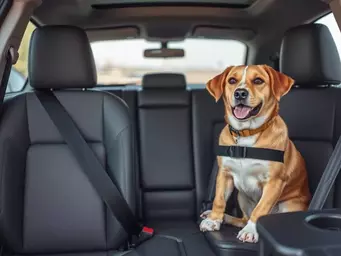
As a passionate pet advocate, I can’t stress enough how vital it is to have a reliable dog car restraint. Not only does it keep your furry friend safe, but it also ensures that you can drive with peace of mind. A secure car restraint system plays a crucial role in protecting your dog during travel, especially during sudden stops or accidents. Remember, your pup relies on you to keep them safe, so understanding when to replace their restraint is key!
A well-fitted restraint system is essential for preventing injuries during car rides. Think of it this way: if your dog is not secured, they could become a projectile in the event of a collision. This not only puts your pet at risk but also endangers everyone else in the vehicle. Investing in a quality dog seat belt can make all the difference in ensuring a safe and enjoyable journey. According to the National Highway Traffic Safety Administration (NHTSA), proper pet restraints are crucial for reducing distractions and protecting both pets and human occupants during a crash.
By understanding the importance of these restraints, you empower yourself to make informed decisions about your pet’s safety. It’s not just about comfort; it’s about keeping your four-legged family member secure on every adventure!
Even the best restraints can wear out over time. As a responsible pet parent, it’s essential to regularly check for any indicators that your dog’s car restraint needs replacement. Here are some critical warning signs to look for:
Being proactive about these warning signs can prevent potential accidents and keep your dog safe during every ride.
One of the most visible signs that your dog’s restraint needs replacement is frayed stitching or worn material. Regularly inspect the harness or seat belt for any signs of deterioration. If you notice any fraying, it’s time to consider a new restraint.
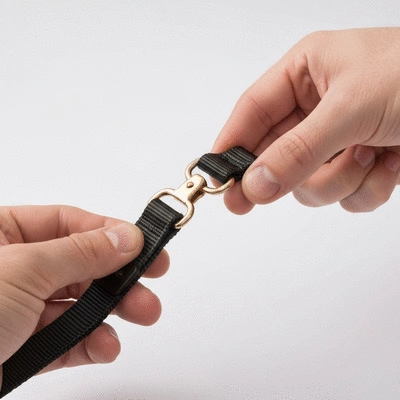
Check for any damaged clips, buckles, or adjustable parts. If they appear bent or broken, this could compromise the effectiveness of the restraint. Always ensure all hardware is in good condition to guarantee your dog’s safety!
After any accident, it’s crucial to reassess your dog’s restraint system—even if it looks fine. Sometimes, impact can cause unseen damage. If you’ve been in an accident, replace the restraint to ensure your dog has the best protection possible.
Dogs can fluctuate in weight due to various reasons like seasonal changes or diet adjustments. If your dog has gained or lost weight, check that the restraint still fits snugly and comfortably. An ill-fitting restraint can be ineffective, so adjustments or replacements might be necessary.
Lastly, keep an eye out for signs of UV damage and fading. Exposure to sunlight can break down the fabrics in dog restraints over time. If you notice discoloration or brittleness, it’s likely time to look for a replacement.
Knowing the legal requirements for pet restraints in vehicles is just as important as having one. Many states have laws that compel pet owners to secure their dogs while traveling—a reflection of the growing awareness of pet safety. These laws aren't just for show; they serve to enhance safety for dogs and their human companions alike. Organizations like Kids and Car Safety emphasize the importance of securing pets to prevent them from interfering with the driver or becoming dangerous projectiles during crashes.
Being informed about these laws can help you make smarter choices for your dog’s safety on the road. Remember, it’s not just about preventing fines; it’s about protecting your best friend during every journey!
What do you think about your dog's safety during car rides? Do you regularly check their restraint system? Share your thoughts below:
When it comes to our furry friends, ensuring their safety during car rides is paramount. Recognizing the signs that indicate when to replace a dog car restraint is crucial for their well-being. It's not just about having a restraint—it's about having one that’s reliable and effective. Combined with proper installation techniques, you can enjoy peace of mind knowing that your dog is protected on every journey.
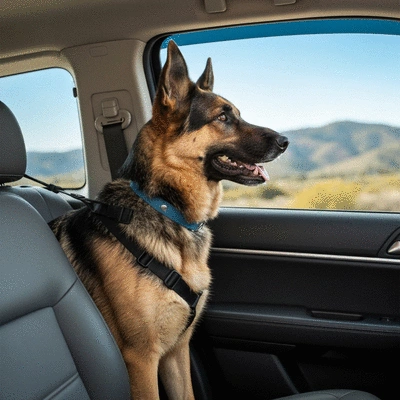
Remember, regular inspections and awareness of your dog's restraint condition can significantly enhance their safety. At Dog Seat Belts, we believe that every pet owner should feel empowered to make informed decisions about their companion's travel safety!
Start by conducting a thorough inspection of your dog's current restraint. Here are some simple steps to follow:
Regular assessments can help prevent potential accidents! If you notice any issues, don’t hesitate to replace the restraint—it’s better to be safe than sorry.
If you're unsure which restraint systems are reliable, check out our curated lists of CPS-approved products! These options have been rigorously tested to ensure they meet safety standards, providing you with peace of mind. Here are a few benefits of using these certified products:
Explore our recommendations to find the perfect restraint for your pup and keep their travel experiences safe and enjoyable!
Traveling with your dog can be a joyous experience, but safety should always come first. Here are some practical tips to ensure canine safety during travel:
By following these simple tips, you can create a safe and enjoyable travel experience for both you and your dog. Remember, a little preparation goes a long way!
It's essential to have an emergency plan in place should an unexpected situation arise. Consider keeping an emergency pet restraint solution in your vehicle, such as:
Having these solutions ready ensures that you can act quickly and maintain your dog's safety, no matter the circumstances. Remember, safety is key, and investing in quality restraints helps protect your beloved companion during every car ride!
Here is a quick recap of the important points discussed in the article: