Home >

Dog Crates or Seat Belts?

Dog Crates or Seat Belts?

Comparing Dog Travel Crates vs. Seat Belts: Which Is Safer?
Liam Cartwright | 2025-12-21

Ready to ensure your canine companion's safety on the road? Understanding the options for dog travel safety can make a significant difference in your pet's well-being during car rides. Let’s explore the insights to make informed decisions!

What You Will Learn

  • Crates provide stability and comfort, ideal for many dogs, especially those accustomed to confined spaces.
  • Dog seat belts allow for more freedom of movement while still keeping your pet secure during travels.
  • Understanding crash test protocols helps assess the safety effectiveness of dog travel products on the market.
  • Certification from organizations like The Center for Pet Safety ensures that the products meet rigorous safety standards.
  • The choice between crates and seat belts depends on factors such as your dog’s size, behavior, and vehicle type.
  • Regularly checking the fit and functionality of your dog's restraint system enhances their safety while traveling.

Crates vs. Seat Belts: Dog Travel Safety Comparison

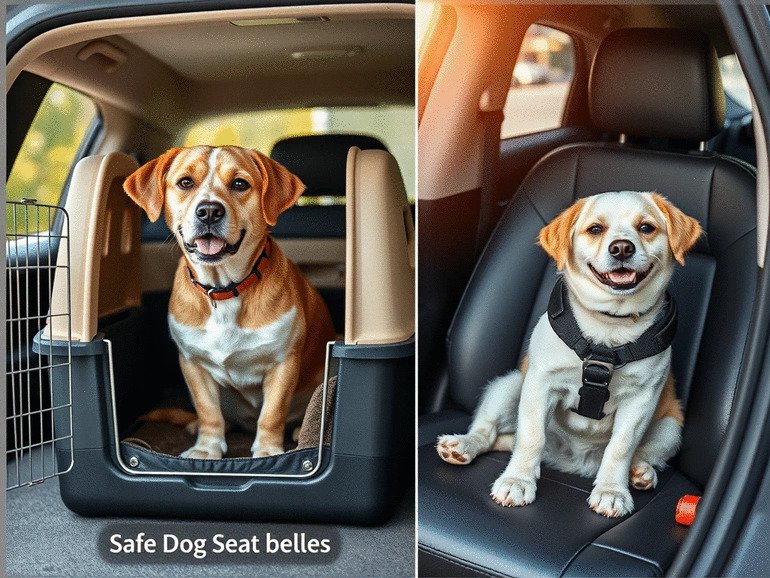
This visual compares key aspects of crates and seat belts for dog travel safety, highlighting their primary features and benefits.

Crates: Key Advantages

  • High Stability during impact
  • Familiar and comforting for many dogs
  • Contains mess and reduces distractions

*Ideal for dogs needing confined security.

Seat Belts: Key Advantages

  • More freedom of movement for the dog
  • Easier to install in various vehicles
  • Often more portable and less bulky

*Suitable for dogs comfortable with limited restraint.

Testing & Certifications
CPS ASTM
Key Organizations
AKC AREMA

Understanding Dog Travel Safety: Crates vs. Seat Belts

When it comes to ensuring your furry friend's safety during car rides, one of the first decisions you'll face is whether to use a crate or a dog seat belt. Understanding the differences can greatly impact your dog's travel safety. Both methods have their advantages and disadvantages, and the right choice often depends on your dog's size, temperament, and the type of vehicle you drive.

Let's dig deeper into what this comparison reveals about your pet's safety on the road. Crates offer a confined space, which can be comforting for many dogs and provides a sturdy barrier in the event of an accident. On the other hand, dog seat belts, when used correctly, allow more freedom of movement while still keeping your pup secure. It's essential to weigh these options carefully!

What This Comparison Reveals About Your Pet's Safety

Understanding how crates and seat belts stack up against each other can help you make a more informed decision. Here are some key points to consider:

  • Stability: Crates typically offer more stability during sudden stops or collisions.
  • Comfort: Dogs may feel more at ease in a crate, especially if they are used to one from a young age.
  • Ease of use: Seat belts are generally easier to install and can be used in multiple vehicles.
  • Size considerations: Larger breeds may fit better in a crate, while small to medium dogs can be effectively restrained with a seat belt.

Ultimately, the best choice depends on your dog’s needs and your travel habits. I often recommend evaluating both options to see which one your dog seems to prefer. Keeping an open mind can lead to a safer and more enjoyable travel experience for both you and your canine companion!

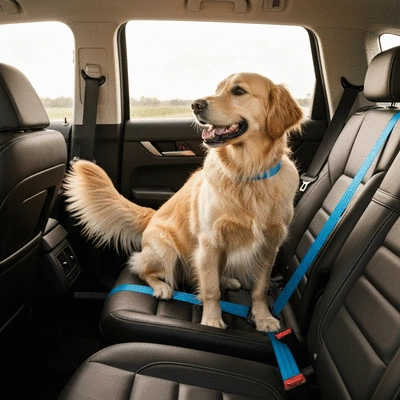
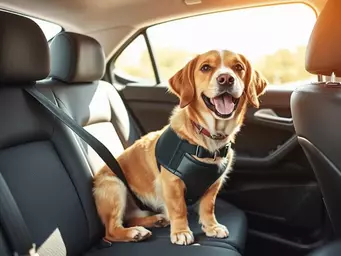
Dog in car with seat belt, looking happy and secure

The Testing Process for Dog Travel Safety

To make informed decisions about your dog's travel safety, it's crucial to understand how safety is assessed in both crates and seat belts. Various testing processes are employed to ensure that these products can withstand the rigors of a car crash.

Many reputable brands undergo rigorous testing to meet industry standards, but not all products are created equal. By paying attention to these testing protocols, you can choose products that prioritize your pet's safety. Let’s take a closer look at this process!

How Safety is Assessed: Crash Test Protocols Explained

Crash test protocols vary widely, but they typically include simulations of real-world accidents to assess how well a product protects your dog. The following factors are considered during these tests:

  • Crash impact severity: Tests simulate various crash scenarios to mimic potential accidents.
  • Restraint effectiveness: Evaluators assess how well the product keeps the dog secured during impact.
  • Material durability: The materials used in dog seat belts and crates are examined for their strength and resilience.

By understanding these testing protocols, you can better gauge the effectiveness of the dog travel safety products available in the market. Always look for brands that provide detailed information about their testing processes!

Key Organizations Involved in Safety Ratings

Several organizations play a crucial role in establishing safety ratings for pet travel products. These organizations include:

  • The Center for Pet Safety: Conducts independent research and testing on pet travel products, offering certifications for products that meet their rigorous safety standards.
  • ASTM International: Develops safety standards for various consumer products, including pet restraints.
  • The American Kennel Club (AKC): Collaborates with other organizations to promote safety standards for pets and offers guidance on responsible pet ownership, including safe travel practices.

Regulatory compliance with these organizations helps ensure that the products you choose for your dog meet rigorous safety standards. It's always good to check if a product has been tested or certified by any of these well-respected organizations!

Understanding Safety Certifications for Dog Travel Products

Safety certifications serve as a hallmark of trustworthiness for dog travel products. Products that have been crash-tested and certified by recognized organizations often provide peace of mind for pet owners. Look for certifications like:

  • AREMA Certification: Indicates compliance with the American National Standards Institute (ANSI) for safety.
  • Crash Test Rating: Products that have undergone and passed specific crash test standards.

Ultimately, understanding these safety certifications can guide you in selecting reliable products that ensure your dog's safety during travel. Remember, every little detail counts when it comes to your pet's well-being on the road!

Interactive Poll: Your Thoughts on Dog Travel Safety

As we’ve explored the topic of dog travel safety, we’d love to hear your perspective! Which method do you prefer for keeping your dog safe during car rides?

Frequently Asked Questions About Dog Travel Safety

Q: What are the main benefits of using a crate for dog travel?
A: Crates provide high stability during impact, can be familiar and comforting for many dogs, and help contain messes while reducing driver distractions. They are ideal for dogs needing confined security.
Q: What are the primary advantages of dog seat belts?
A: Dog seat belts offer more freedom of movement for the dog, are generally easier to install in various vehicles, and are often more portable and less bulky than crates. They are suitable for dogs comfortable with limited restraint.
Q: How can I assess the safety of a dog travel product?
A: Look for products that have undergone rigorous crash testing and have certifications from reputable organizations like The Center for Pet Safety. Understanding crash test protocols and material durability is also key.
Q: Which organizations are important for dog travel safety ratings?
A: Key organizations include The Center for Pet Safety (CPS), which conducts independent testing and certification, ASTM International, which develops safety standards, and The American Kennel Club (AKC), which promotes safety standards for pets.
Q: What factors should I consider when choosing between a crate and a seat belt?
A: Consider your dog’s size, behavior, and temperament, as well as the type of vehicle you own. Larger dogs might be better suited for crates, while smaller to medium dogs can use seat belts effectively. Evaluate comfort and stability for your specific pet.
Q: Are there any laws or regulations regarding pet travel safety?
A: Yes, different regions have varying laws. It's crucial to research local laws regarding pet restraints in vehicles and familiarize yourself with specific regulations if traveling across state or national borders to avoid fines and ensure a smooth journey.
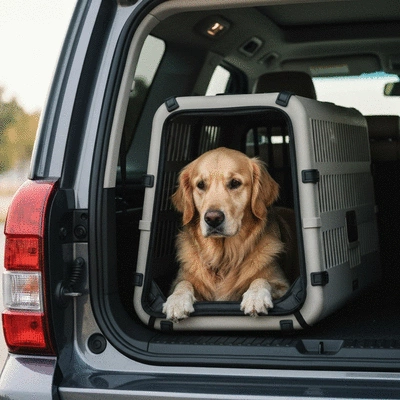
Dog in a secure travel crate in the back of an SUV

Summarizing the Safety Debate: Crates vs. Seat Belts

As we've explored throughout this article, the discussion around dog travel safety often boils down to two main options: crates and seat belts. Both methods have their benefits and drawbacks, making it crucial for pet owners to understand which option best fits their furry companions' needs. It's not just about choosing a product; it's about ensuring the safety and comfort of your pet during every car ride.

When considering the safety debate, here are some key takeaways for dog owners:

  • Both crates and seat belts can provide effective restraint in the event of an accident.
  • The right choice often depends on your dog's size, behavior, and the type of vehicle you own.
  • Certification and crash-test ratings are essential factors to evaluate for both options.
  • Regularly checking the fit and functionality of the chosen restraint system can enhance safety.

Ultimately, whether you opt for a crate or a seat belt, the goal remains the same: to keep your pup safe and secure on the road! As a passionate advocate for dog safety, I find that empowering pet owners with knowledge is key to making informed decisions.

Your Action Plan for Safe Dog Travel

Ready to hit the road with your furry friend? Let’s develop a solid action plan to ensure your dog's safety while traveling. This checklist will help you remember essential steps before you embark on your next adventure:

Checklist for Ensuring Your Dog's Safety While Traveling

  • Choose the appropriate restraint system based on your dog’s size and behavior.
  • Perform a fit check to ensure your dog is comfortable and secure in their harness or crate.
  • Pack necessary supplies such as water, food, and toys to keep your pet entertained.
  • Plan for frequent breaks during long trips to let your pup stretch and relieve itself.
  • Ensure your dog is properly identified with a collar and tags, or consider a microchip.

Following these simple steps can help set the tone for a safe and enjoyable journey together. Remember, preparation is key to a successful travel experience!

Where to Find Quality Products and Trusted Recommendations

Finding the right products for your dog’s travel safety is vital. At Dog Seat Belts, we review various dog seat belts and harnesses, providing insights that can guide your purchase decisions. Look for products that have undergone rigorous testing and received positive reviews from other pet owners.

  • Check reputable pet product retailers for trusted brands.
  • Visit pet advocacy websites for recommendations based on safety ratings.
  • Engage with fellow pet owners in forums or social media groups for personal experiences.

When you equip yourself with the right tools and knowledge, you can travel confidently, knowing that your pet is secure by your side.

Understanding Pet Travel Laws and Regulations

Different regions have varying laws regarding pet safety during travel, and it’s crucial to stay informed about these regulations. Not only do they aim to protect pets, but they also help ensure that all passengers in the vehicle remain safe. For comprehensive guidance on safe travel with pets, including legal considerations, refer to resources like the National Highway Traffic Safety Administration (NHTSA).

  • Research local laws regarding pet restraints in vehicles.
  • Familiarize yourself with specific regulations if you plan to travel across state or national borders.
  • Check if your destination has any pet regulations that you need to comply with.

By understanding the legal landscape, you can avoid potential fines and ensure a smoother travel experience for both you and your beloved dog.
Recap of Key Points

  • Crates provide more stability during sudden stops and accidents.
  • Dogs often feel more comfortable in crates, especially if they have been introduced to them early.
  • Dog seat belts offer ease of use and can be installed in multiple vehicles.
  • Consider your dog's size and behavior when choosing between a crate and a seat belt.
  • Look for safety certifications and crash-test ratings to ensure product reliability.
  • Regularly check your chosen restraint system to confirm its fit and functionality.
Subscribe & Share

About Dog Seat Belts

Dedicated to enhancing pet safety during car travel, we provide comprehensive reviews, installation guides, and essential tips for responsible pet owners. Join us in making every journey safe and enjoyable for your furry friend.