Key Safety Goals
- ✓ Protects Your Pet
- ✓ Minimizes Distractions
- ✓ Legal Compliance

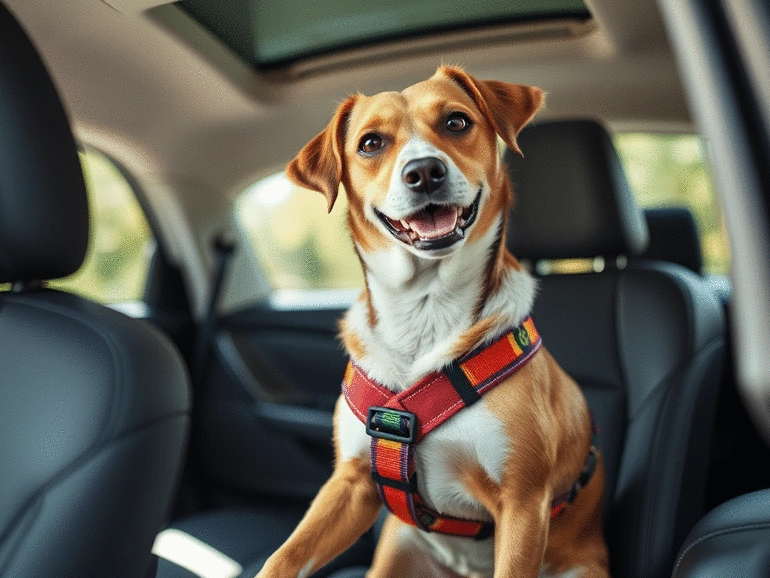
Have you ever considered how a simple seat belt can be the difference between a safe ride and a disastrous accident for your furry friend? Understanding the nuances of dog car safety is crucial for pet owners who want to ensure their pets travel safely.
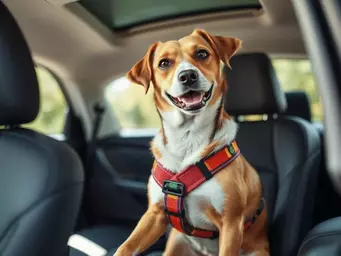
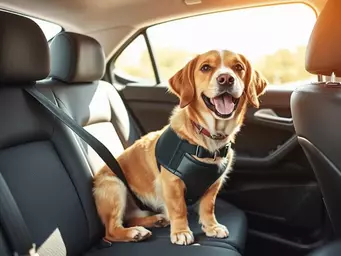
Ensuring your dog's safety during car travel protects them and your passengers, minimizes distractions, and helps you comply with legal requirements. The visual below highlights the key aspects of dog car safety.
Have you ever felt a knot in your stomach while driving with your dog? You’re not alone! As a passionate pet advocate, I understand how crucial it is to ensure our furry friends are safe during travel. That's why restraining your dog with a dog seat belt or harness is essential for their safety and yours.
When we take our dogs on car rides, we want them to enjoy the journey just as much as we do. However, without proper restraints, this joy can quickly turn into a safety hazard. Let’s dive deeper into why restraining your dog is not just a good idea, but a necessity!
Restraining your dog in the car serves multiple purposes that go beyond just keeping them still. Here are some of the key reasons:
By using a dog seat belt, you’re not just following the rules; you’re actively protecting your beloved pet. Remember, a safe dog means a happy journey for everyone!
While it might seem harmless to allow your dog to roam freely in the car, the risks can be severe. Without proper restraint, dogs can easily become projectiles during an accident, leading to serious injuries or worse. Here are additional risks to consider:
These risks underscore the importance of investing in a quality dog seat belt. It’s not just a product; it’s a commitment to your dog’s safety!
Understanding the laws regarding pet transportation is vital for any responsible pet owner. Many states have specific regulations requiring pets to be restrained while driving. For comprehensive guidelines on safe pet travel and state-specific laws, you can refer to resources from the AAA. Here’s a quick overview of what to look for:
Staying informed about these laws not only helps you avoid legal trouble but also promotes a culture of safety in our communities. At Dog Seat Belts, we're committed to educating pet owners about these important issues, so every journey can be as safe as possible.
When selecting a dog seat belt or harness, ensure it has undergone crash testing and meets safety standards. Look for products with adjustable straps for a perfect fit to enhance both comfort and safety for your furry friend during car rides.
A1: Restraining your dog prevents serious injuries during sudden stops or accidents, minimizes distractions for the driver, and helps ensure legal compliance in many areas. It protects both your pet and all passengers.
A2: Without proper restraint, dogs can become dangerous projectiles during a crash, leading to severe injuries for themselves and passengers. There’s also a risk of escape, and dogs may suffer emotional trauma from an accident.
A3: Yes, many states and localities have specific laws requiring pets to be restrained in vehicles. These laws vary, so it's important to check your local regulations to avoid fines and ensure compliance.
A4: Introduce the restraint gradually. Start by letting your dog wear the harness or seat belt at home, then practice in a parked car, rewarding calm behavior. Consistency is key for them to get used to it.
A5: Look for products that have undergone crash testing and meet safety standards. Ensure it has adjustable straps for a secure and comfortable fit. Quality and safety certification are paramount for your dog's protection.
Now that we've explored the ins and outs of dog car safety, it's time to focus on the key takeaways. Ensuring your dog's safety while traveling isn't just about the right restraints; it's about creating a habit of safe travel practices. Here are some essential points to remember:
By focusing on these key practices, you’ll lay down a solid foundation for safe travel experiences with your furry friend. Remember, every journey should be enjoyable and secure for both of you!
Ready to take action? Here are some practical steps you can implement in your routine to ensure safe travels with your pup:
Implementing these steps will not only enhance your dog's comfort but will also make your travels more enjoyable. Remember, consistency is key—every trip is an opportunity to reinforce good habits!
To further enhance your knowledge and skills, I encourage you to explore various training materials available online. You can find excellent video demonstrations and detailed guides that will help solidify your understanding of dog car safety:
These resources are invaluable and make it easier for you to implement the best practices we've discussed throughout this article.
Connecting with fellow pet owners can provide additional support and insights into safe travel habits. I recommend joining online communities where you can share experiences and learn from others. Here are a few places you might consider:
Being part of a community helps you stay motivated and informed while making new friends along the way!
If you're looking to deepen your understanding of canine behavior and training, consider enrolling in local dog training classes. These classes often cover essential topics like car safety and can offer hands-on experience. Additionally, online resources can provide flexibility and a wide array of knowledge:
Whether you opt for in-person or online learning, investing in your dog's training is a step towards ensuring their safety and your peace of mind. Let's make every journey a safe one together!
Here is a quick recap of the important points discussed in the article: